
Building Connections. Sharing Hope. Strengthening Families.
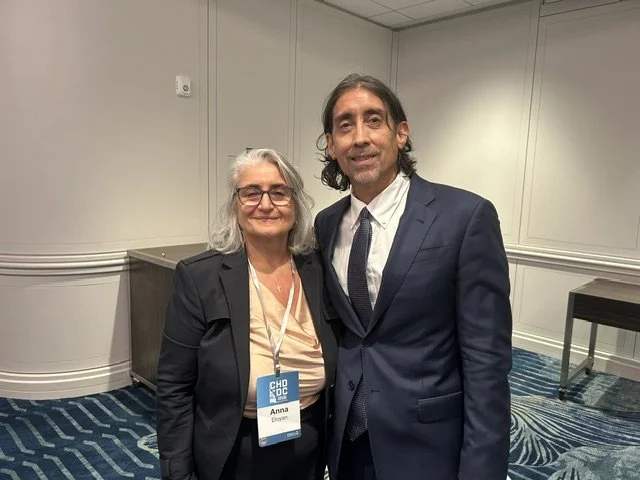
Three Apples Foundation participated in CHD-DC in Washington, D.C., connecting with individuals who share our commitment to supporting people with disabilities and their families.
On September 17, Three Apples Foundation participated in CHD-DC in Washington, D.C.
The event provided an opportunity to meet people from different backgrounds, exchange ideas, and introduce the mission behind Three Apples Foundation. Most importantly, it created an opportunity to speak with individuals who understand the importance of helping families navigate the practical realities of caring for loved ones with severe physical disabilities.
During the event, Anna Eloyan spoke with several individuals about becoming involved with Three Apples Foundation, including the possibility of serving on its Board of Directors. These conversations are an important part of building a strong foundation for the organization and bringing together people who can contribute their experience, knowledge, and perspectives.
For Three Apples Foundation, participation in events such as CHD-DC is about more than simply attending. It is about building relationships, listening, sharing experiences, and finding people and organizations who want to make life better for individuals with disabilities and their caregivers.
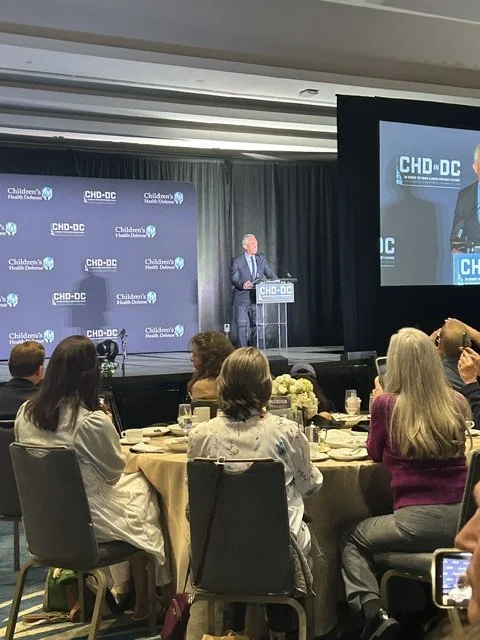
RFK Jr. Addresses CHD in D.C.
RFK Jr. Addresses CHD in D.C.
One of the most anticipated moments of the September 17 CHD in D.C. conference was the keynote address by U.S. Secretary of Health and Human Services Robert F. Kennedy Jr., who previously led Children’s Health Defense. Kennedy spoke about changes underway at HHS and emphasized greater transparency, continued research into vaccine safety and long-term health outcomes, and attention to concerns raised by parents. He told attendees that the federal government had changed how it responds to parents who question vaccine policy and said his department intends to continue examining vaccine safety and other environmental and health issues.
Kennedy's remarks also reflected the significant national debate surrounding vaccination policy. He discussed potential vaccine-related injuries and questioned aspects of existing vaccine-safety research, while medical and public-health experts have disputed a number of his vaccine claims and emphasize that vaccines undergo safety testing and continuing monitoring. Regardless of one's position in that debate, his appearance demonstrated how questions of health policy, scientific transparency, parental concerns, and government accountability have become prominent subjects of public discussion.